
NEWS
What Is an Alarm Receiving Centre? How ARC Monitoring Protects Construction Sites
If you’ve been comparing CCTV systems for a construction site, you’ll have encountered the phrase “ARC monitored” often used as a selling point, sometimes used loosely. Understanding what an Alarm Receiving Centre actually is, and what genuine ARC monitoring involves, is the difference between choosing a system that actively protects your site and one that simply records what happens to it.
What is an Alarm Receiving Centre?
An Alarm Receiving Centre, ARC, is a staffed facility that receives, assesses, and responds to security alerts from monitored systems in real time, 24 hours a day, 365 days a year. Think of it as the human layer that sits between your CCTV system detecting an event and an effective response being initiated.
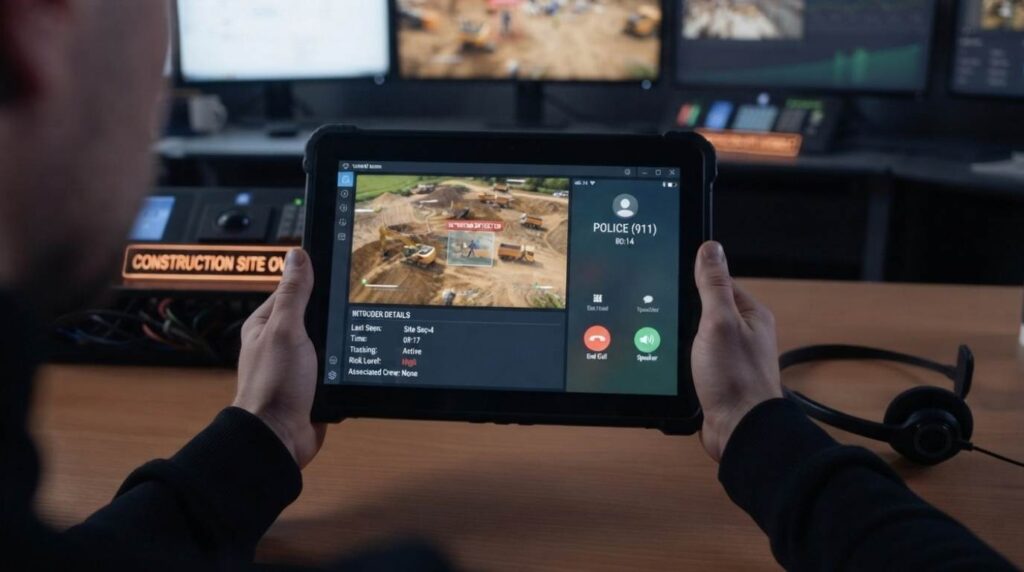
When a motion detection event triggers on a monitored construction site CCTV tower, the alert is transmitted immediately to the ARC. An operator reviews the live footage, assesses whether the alert represents a genuine threat, and takes the appropriate action, which may include:
- Issuing a live audio warning through the tower’s speaker system
- Contacting the designated keyholder to inform them of the situation
- Calling the police with verified footage of an active intrusion
- Filing a detailed incident report with timestamped footage for the site manager
This all happens in seconds, not minutes. And it happens regardless of whether it’s 3am on a bank holiday weekend.
Why ARC monitoring matters more than the camera
This is a point worth dwelling on, because the camera tends to get all the attention in a CCTV specification conversation. The camera is the sensor. The ARC is the response. Without the ARC, the camera is a recording device, useful after the fact, but not a deterrent and not a prevention tool.
Consider the difference in outcomes:
Recording only: An intruder enters the site at 2am. The camera records the event. The next morning, the site manager arrives to find the plant compound broken into, £40,000 of equipment gone, and footage that shows a group of individuals wearing face coverings.
ARC monitored: An intruder entered the site at 2am. The motion detection triggers within seconds. An operator reviews the footage, confirms a human presence, and issues an audio challenge through the tower speaker. The intruder, knowing they’ve been detected and that a response is coming, leaves the site. The operator logs the incident, notifies the keyholder, and files a timestamped report. No theft. No damage. No claim.
The camera was the same in both scenarios. The ARC is what made the difference.
What to look for in an ARC provider
Not all ARCs operate to the same standard. The key things to verify before signing a monitoring contract are:
BS 5979 and NSI/SSAIB certification
The relevant British Standard for remote monitoring centres is BS 5979, which covers the physical security, staffing, equipment, and operational procedures an ARC must meet. An ARC that holds NSI Gold or SSAIB certification has been independently audited against this standard.
Always ask your CCTV provider to confirm which ARC monitors your system, and request confirmation of that ARC’s certification. A reputable provider will supply this without hesitation.
Staffing — 24/7, not automated
Some systems described as “ARC monitored” route alerts to an automated system outside of business hours, automated notifications to a keyholder app, with no human review of the footage. This is not ARC monitoring. Confirm explicitly that a human operator reviews alerts around the clock, every day of the year.
Average response time
From alert trigger to operator review and action, this should be under 60 seconds for a properly staffed ARC. Ask for the contractual commitment on response time, not just the marketing claim.
Verified response capability
UK police forces now operate a verified response policy in most areas, they prioritise call-outs where an operator can confirm an active intrusion with live or near-live footage, over unverified alarm activations. An ARC with the capability to provide a verified response, submitting footage with the police call, will get a faster police response than one that simply reports an alarm trigger.

Incident reporting
After every activation, you should receive a clear incident report, time of alert, operator action taken, footage reference, outcome, and any recommendations. This documentation is critical for insurance claims, police investigations, and your own site records. If a provider cannot tell you clearly what your incident reports look like, ask to see an example before you sign.
How ARC monitoring integrates with your CCTV tower
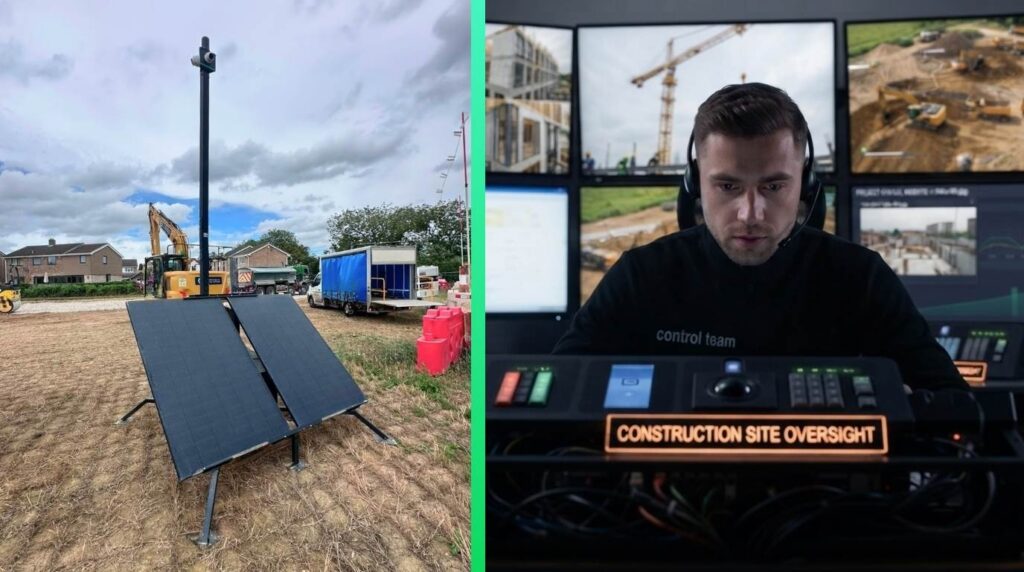
On a StarFM Group rapid deployment system, ARC integration is built in from day one. The moment the system is commissioned on your site:
- The tower’s AI detection engine begins filtering alerts, separating human movement from environmental triggers before they even reach the ARC, which keeps the false alarm rate low and the response credibility high
- Every verified alert is transmitted to the staffed ARC in real time
- The operator has a live view of your site, audio challenge capability through the tower speaker, and your keyholder list on screen
- Every incident is logged, and a written report is generated for your records
There is no configuration delay, no onboarding period, and no gap in coverage during setup.
The bottom line
ARC monitoring is not a feature, it is the foundation of an effective construction site security system. A camera without it is a recording device. A camera with it is an active deterrent, a rapid response trigger, and a source of evidence that genuinely supports insurance claims and police investigations.
When you’re evaluating any CCTV provider, the ARC question should come first: who monitors this system, to what standard, and what happens when an alert is triggered at 3am on a Sunday?
to discuss our monitoring systems and how we can keep your next project safe and secure.